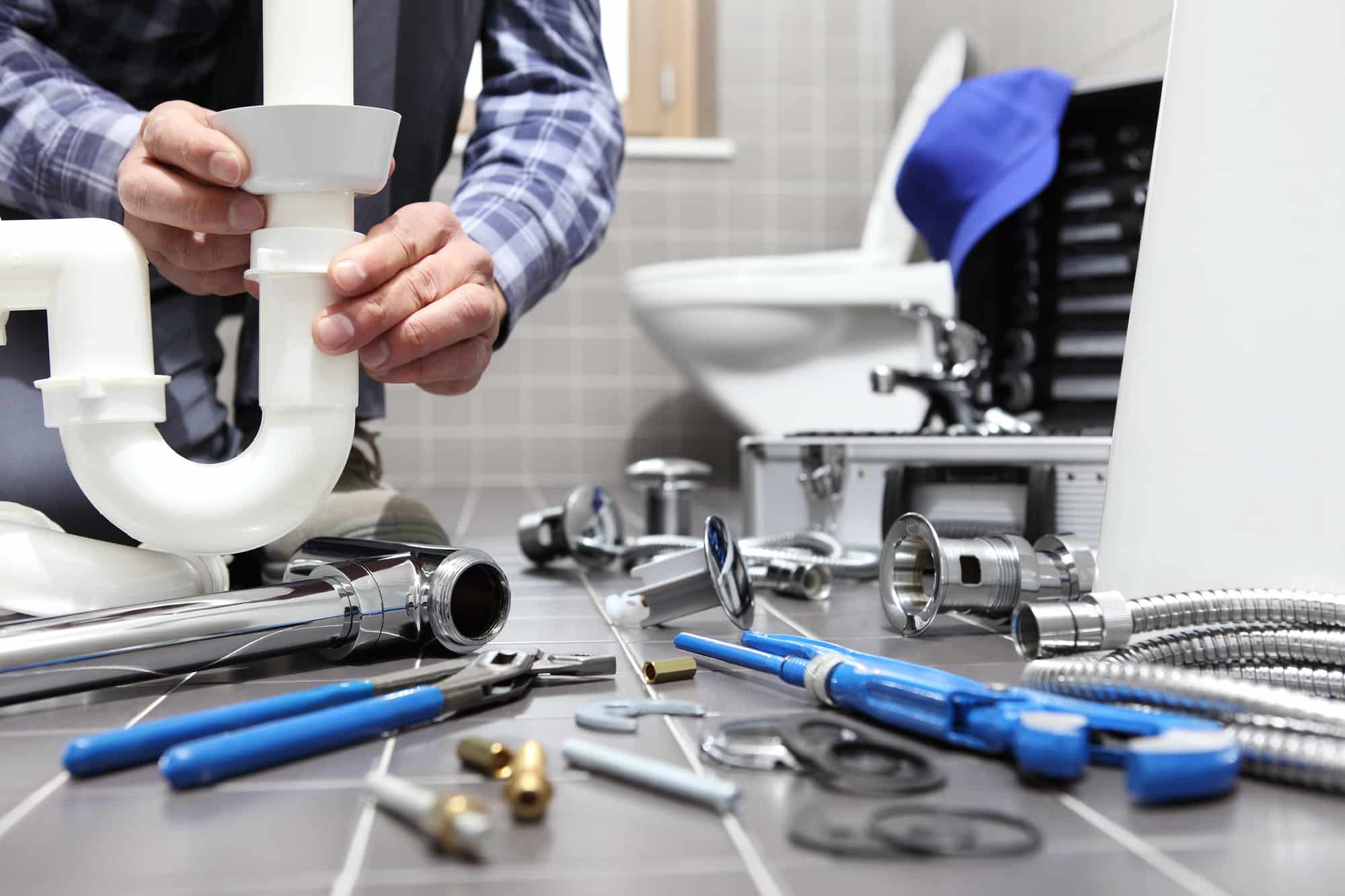
Why Plumbing Maintenance Matters for Homeowners
Plumbing systems work quietly in the background, which makes it easy to forget about them until something goes wrong. Pipes, drains, fixtures, and appliances all experience daily wear. Without regular attention, minor issues can build up over time.
Consistent home plumbing maintenance offers several long-term benefits:
- Reduces the risk of leaks and water damage
- Helps identify issues early when repairs are simpler
- Improves water efficiency and lowers waste
- Extends the lifespan of pipes, fixtures, and appliances
- Keeps daily routines running smoothly
Preventive care is not about doing everything at once. It is about staying consistent and knowing what to check throughout the year.
Plumbing Maintenance Tips Every Homeowner Should Follow
Developing good habits is the foundation of preventive plumbing maintenance. These plumbing maintenance tips apply to most households and require little time but deliver meaningful results.
Watch for Early Warning Signs
Small changes often signal bigger problems. Pay attention to:
- Slow-draining sinks or tubs
- Unusual noises from pipes or water heaters
- Drops in water pressure
- Water stains on walls or ceilings
- Fixtures that drip or run after shutting off
Catching these signs early can help prevent plumbing problems from escalating.
Know Where Your Shutoff Valves Are
Every homeowner should know the location of the main water shutoff valve and individual fixture shutoffs. In the event of a leak, shutting off water quickly can limit damage and give you time to arrange repairs.
Avoid Chemical Drain Cleaners
Chemical cleaners may offer a quick fix, but repeated use can damage pipes over time. Mechanical solutions like plungers or drain strainers are safer options for maintaining healthy drains.
Plumbing System Maintenance Starts with Your Pipes
Pipes form the backbone of your plumbing system. Proper plumbing system maintenance keeps water flowing where it should and prevents hidden damage.
Monitor Pipe Condition
Visible pipes under sinks, in basements, or in utility areas should be checked periodically for:
- Corrosion or discoloration
- Moisture buildup
- Loose connections
Even a small drip can cause long-term damage if left unchecked.
Protect Pipes from Environmental Stress
In coastal or humid environments, pipes can experience increased wear. Proper insulation, airflow, and moisture control help protect pipes and fittings from deterioration.
Avoid Excessive Pressure
High water pressure strains pipes and fixtures. If you notice sudden pressure changes, having pressure levels checked can help prevent future leaks or burst pipes.
Home Plumbing Maintenance for Kitchens and Bathrooms
Kitchens and bathrooms experience the most plumbing use, making them key areas for consistent home plumbing maintenance.
Maintain Drains the Right Way
Daily habits make a difference. Simple steps include:
- Using strainers to catch hair and debris
- Avoiding grease or food scraps in sinks
- Flushing drains periodically with hot water
These steps reduce buildup and support long-term drain performance.
Keep Fixtures in Working Order
Faucets, showerheads, and toilets experience constant use. Check for:
- Drips or leaks
- Loose handles or fittings
- Mineral buildup
Addressing minor issues early helps prevent water waste and fixture failure.
Test Toilets for Silent Leaks
A toilet that runs intermittently can waste a significant amount of water. Periodic testing ensures internal components function properly and seals remain intact.
How to Prevent Plumbing Problems with Preventive Care
Understanding how to prevent plumbing problems is about consistency rather than complexity. Preventive plumbing maintenance focuses on reducing strain and addressing wear before failure occurs.
Schedule Routine Inspections
Professional inspections help uncover issues that may not be visible during routine homeowner checks. These evaluations focus on system performance, pipe condition, and fixture efficiency.
Replace Aging Components
Hoses, seals, and connectors degrade over time. Replacing worn parts proactively reduces the risk of sudden leaks or failures.
Be Mindful of What Enters the System
Everything that goes down your drains affects your plumbing. Limiting grease, fibrous foods, hygiene products, and foreign objects helps protect pipes and sewer lines.
Preventive Plumbing Maintenance Saves Time and Money
Preventive plumbing maintenance is one of the most effective ways to avoid unexpected disruptions. While repairs address immediate issues, preventive care focuses on long-term reliability.
Benefits of preventive plumbing maintenance include:
- Fewer emergency repairs
- More predictable maintenance costs
- Improved system efficiency
- Reduced risk of property damage
Small investments in maintenance often prevent larger expenses down the line.
Seasonal Plumbing Maintenance: What to Check Throughout the Year
Seasonal changes affect plumbing systems differently. Following a seasonal plumbing maintenance plan ensures your system stays prepared year-round.
Spring Plumbing Maintenance
Spring is a great time to inspect your system after heavier winter usage.
Focus on:
- Checking for leaks caused by temperature changes
- Inspecting outdoor faucets and hoses
- Clearing debris from drains
This season sets the tone for reliable performance moving forward.
Summer Plumbing Maintenance
Increased water usage during summer can stress plumbing systems.
Helpful steps include:
- Inspecting hose connections
- Monitoring water pressure
- Checking water heater performance
Regular checks help maintain steady operation during peak usage.
Fall Plumbing Maintenance
Preparing your plumbing before cooler weather arrives is essential.
Tasks may include:
- Inspecting insulation around exposed pipes
- Checking drainage efficiency
- Testing shutoff valves
Fall maintenance reduces the risk of unexpected issues later in the year.
Winter Plumbing Maintenance
Even in milder climates, winter care matters.
Winter checks often focus on:
- Monitoring pipe insulation
- Checking for slow drains
- Ensuring water heaters perform consistently
Proactive steps during winter support system longevity.
Plumbing Maintenance Guide for Water Heaters
Water heaters are one of the most important components of any home. Including them in your plumbing maintenance guide helps ensure consistent hot water and system efficiency.
Monitor Performance
Signs that a water heater needs attention include:
- Inconsistent water temperature
- Unusual noises
- Visible leaks around the unit
Early evaluation helps prevent unexpected interruptions.
Maintain Efficiency
Sediment buildup can affect performance over time. Periodic maintenance supports efficient operation and extends equipment lifespan.
Check Connections and Valves
Inspecting supply lines, valves, and fittings helps reduce the risk of leaks and ensures safe operation.
Plumbing Maintenance Tips for Long-Term Reliability
Staying consistent is key to long-term success. These plumbing maintenance tips help homeowners stay proactive rather than reactive.
Keep Records
Document inspections, repairs, and replacements. A simple maintenance log helps track system history and plan future upkeep.
Educate Household Members
Teaching everyone in the household proper plumbing habits reduces unnecessary strain on the system.
Address Small Issues Promptly
Minor problems rarely fix themselves. Addressing them early often prevents larger repairs later.
When Professional Support Makes Sense
While many maintenance tasks can be handled by homeowners, some situations call for professional evaluation. Routine inspections, system assessments, and specialized repairs benefit from trained hands and experience.
Our team at Shoreline Plumbing, LLC focuses on reliable service, honest pricing, and clear communication. When plumbing maintenance needs go beyond routine care, we help homeowners make informed decisions that support long-term system health.
Ensure Your Plumbing Systems Are in Top Shape
Following these consistent plumbing maintenance tips is one of the most effective ways to protect your home, reduce stress, and avoid unnecessary repairs. From daily habits to seasonal checks, plumbing system maintenance plays a vital role in keeping everything running smoothly.
By focusing on preventive plumbing maintenance and understanding how to prevent plumbing problems throughout the year, homeowners can enjoy greater reliability, improved efficiency, and fewer surprises. A well-maintained plumbing system supports comfort, protects property, and delivers dependable performance every day.
If you would like help creating a maintenance plan that fits your home, our team is always ready to provide dependable plumbing services you can count on.